Reviewing Your Business Square Banner for Embroidery
As a designer who spends half my life staring at digitized files and the other half wrestling with thread tension, I approach every new machine embroidery design with a healthy dose of skepticism. We have all been there: you download a file that looks crisp on the screen, only to find it turns into a puckered mess once the needle hits the fabric. Today, I am taking a close look at Your Business Square Banner. While this asset originates as a Social Media Templates graphic intended for webinars and digital brochures, my job is to determine if it can cross the divide from pixel to stitch. Can a modern, square-format business graphic hold up under the scrutiny of an embroidery hoop? Let's dig into the practical reality of using this design for real-world projects.
First Impressions: From Digital Mockup to Stitch Potential
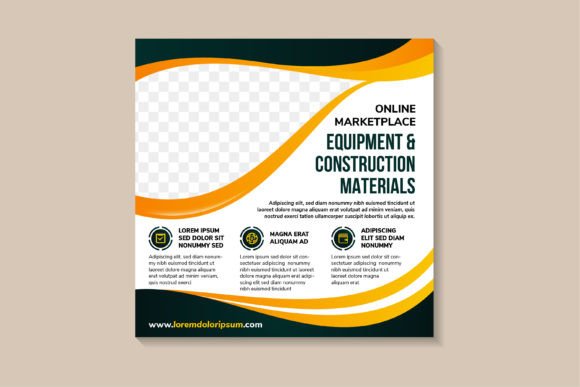
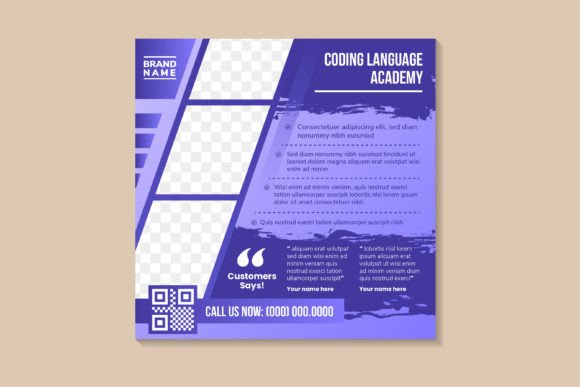
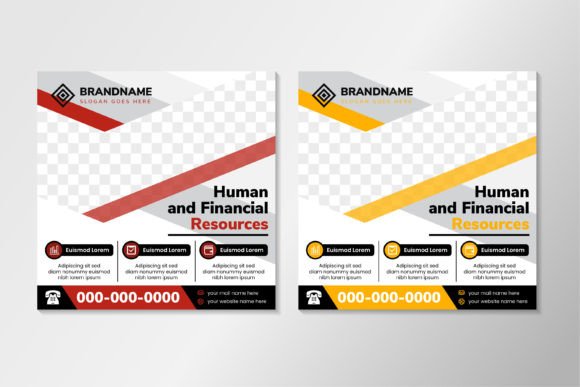
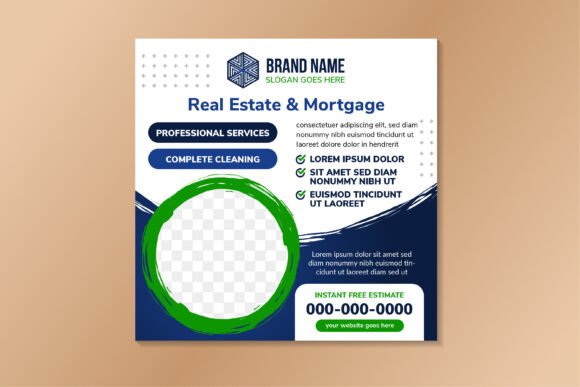
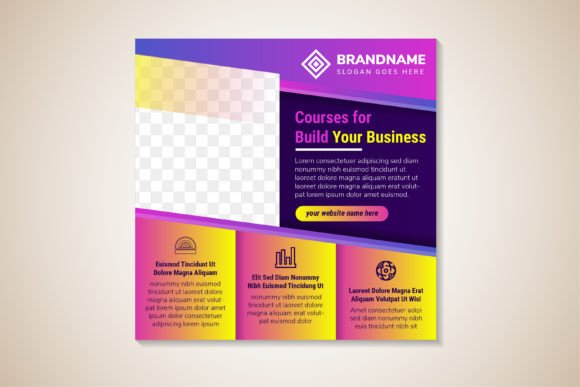
When I first pulled up Your Business Square Banner, the immediate vibe was professional and structured. The layout screams "modern entrepreneur." It has that clean, geometric feel that works beautifully for marketing webinars and online class programs. However, translating a Graphics file meant for a social media post into an embroidery project requires a shift in mindset. On a screen, sharp corners and tiny text are easy to render. Under a needle, they are potential pitfalls.
The square format is interesting. Most embroidery designs lean towards circles or ovals to fit standard hoops comfortably, but a square motif offers a bold, contemporary statement. If digitized correctly, this could look fantastic on a tote bag design or the chest pocket of a structured blazer. The mood it creates is one of authority and clarity, which is exactly what small business owners want when branding their handmade product lines. But before we start stitching, we have to talk about the translation process.
The Real-World Test: A Boutique Launch Scenario
Let's imagine a realistic scenario. You are an Etsy seller launching a line of promotional merchandise for a local business coach. They want custom apparel and tote bags featuring their branding. You decide to adapt Your Business Square Banner for this purpose. The goal is to create a finished product that looks high-end, not like a DIY experiment gone wrong.
If you were to use this design on a canvas tote bag, the stability of the fabric would likely support the square shape well. The rigid nature of canvas minimizes distortion, allowing the straight lines of the banner to remain true. For a sweatshirt embroidery project, however, the game changes. Sweatshirt fleece is stretchy and textured. If the original graphic relies on fine details or tight spacing, those areas might merge together once stitched. In this specific case, since the source material is described as a "modern poster," it likely features bold typography and clear sections. This is good news for embroidery, as bold shapes translate better to fill stitch and satin stitch techniques than intricate, wispy details do.
Imagine stitching this onto a linen apron for a workshop host. The texture of the linen adds a rustic charm, but it can also make small details disappear. If Your Business Square Banner includes small text explaining "Courses for build your business," that text might need to be enlarged significantly or simplified to remain legible. A customer receiving this as a personalized gift needs to read it instantly; squinting at a blurred message kills the professional vibe.
Navigating Fabric Textures and Hoop Limitations
One of the biggest challenges with square designs is the corners. In embroidery, corners are stress points. If the stitch density is too high in the corners of Your Business Square Banner, the fabric may pull inward, turning your perfect square into a rounded diamond. This is especially true on stretchy fabrics like jersey knits used for t-shirts or baby embroidery items.
You must consider your hoop size carefully. A large square design demands a large hoop. If you try to force a 6-inch square design into a 4x4 hoop by resizing it down, you risk losing all the definition. Tiny lettering becomes a blob of thread. Before committing to a client order, always test the design on scrap fabric that matches your final material. If you are working with a textured fabric like a waffle knit or a heavy towel, run a test to see if the stitches sink in too deep. Sometimes, adding a layer of water-soluble stabilizer on top of the fabric (topping) is necessary to keep the stitches floating above the texture, ensuring the design pops.
Dark fabrics present another hurdle. If the original Social Media Templates design uses light colors on a white background, simply reversing the colors for a black hoodie might not work if the digitizing isn't optimized for contrast. You may need to adjust the thread colors manually to ensure the design stands out against a navy or charcoal background without looking muddy.
Commercial Viability and Brand Consistency
For craft business owners, consistency is key. If you are selling small shop product lines, your branding needs to look intentional. Using a design like Your Business Square Banner can elevate your perceived value, provided the execution is flawless. A clean, well-stitched logo on a patch or hat builds customer trust. It tells the buyer that you care about quality.
However, we must address the elephant in the room: licensing. The description notes this is a template for digital banners and webinars. It does not explicitly state that it comes as a ready-to-stitch digital embroidery file with a commercial license for physical goods. This is a critical distinction. Just because you can print it on a transfer doesn't mean you have the right to sell it as an embroidered patch or commercial embroidery asset. Always verify the license terms before selling finished items. If the file is purely a graphic (PNG/JPG/AI), you will need to have it professionally digitized into a stitch file (.PES, .DST, etc.) before putting it on a machine. Do not attempt to auto-digitize complex graphics yourself unless you are experienced; the result is often poor stitch density and excessive jump stitches.
Practical Designer Notes for Success
To get the best results from Your Business Square Banner, follow these practical steps:
- Check the Source: Confirm if you are working with a vector file or a raster image. Vector files scale better for creating applique design templates or digitizing from scratch.
- Simplify Details: If the design has tiny decorative elements, consider removing them for smaller hoop sizes. Less is often more in embroidery.
- Stabilizer Strategy: For stretchy garments like caps or t-shirts, use a cut-away stabilizer rather than tear-away to prevent long-term distortion.
- Contrast Check: View your design in black and white before stitching. If you can't distinguish the elements in grayscale, the thread contrast won't work either.
- Corner Reinforcement: Ask your digitizer (or check your settings) to ensure corners are reinforced with bar tacks or extra stitching to maintain that sharp square look.
- Wash Testing: Always wash and dry your test sample. This reveals if the running stitch outlines hold up or if the fill stitches pucker after heat exposure.
In conclusion, Your Business Square Banner holds significant promise as a branding element for holiday embroidery gifts, boutique merchandise, or corporate swag. Its modern aesthetic fits well with current trends in custom apparel. However, its success depends entirely on how well it is adapted from a digital Graphics concept to a physical stitch reality. With careful attention to fabric choice, stabilizer support, and licensing verification, this design can become a staple in your portfolio of design assets. Take your time, test thoroughly, and let the quality of your stitching speak for your brand.