Data Science Vertical Flyer: A Designer's Stitch Review
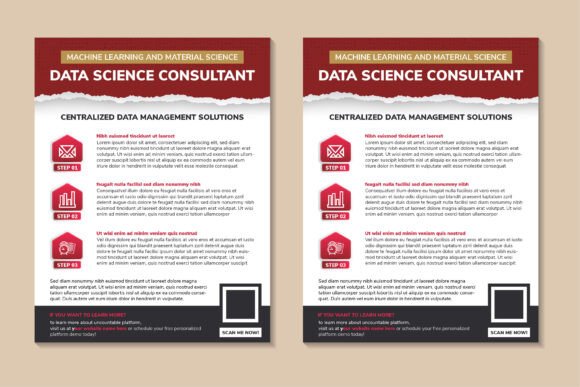
When I first pulled up the Data Science Vertical Flyer on my screen, my immediate reaction wasn't to think about printing it on paper, but rather how those bold geometric shapes would translate into thread. As a designer who spends half their life digitizing and the other half stitching, I look at Print Templates and Graphics differently than most. I see potential embroidery projects hiding in plain sight. This specific design, with its striking red, black, and white palette and torn paper aesthetic, offers a unique challenge and opportunity for anyone looking to elevate their craft business beyond the standard floral or script motifs.
Visual Impact and Texture Translation
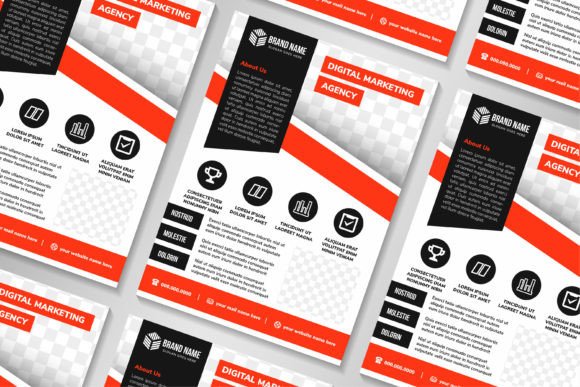
The core appeal of the Data Science Vertical Flyer lies in its modern, tech-forward vibe mixed with a gritty, organic feel. The description mentions a "dot halftone pattern element" combined with a "paper torn style." In the world of machine embroidery design, halftones are tricky. If you try to stitch every single dot, you end up with a muddy mess of underlay showing through. However, if you approach this as an inspiration for a custom applique design or a simplified fill, the potential is huge. The vertical layout is particularly interesting because it breaks away from the traditional horizontal logos we see on most custom apparel.
The color combination is where this design truly shines for embroidery. Red, black, and white is a high-contrast trio that reads exceptionally well from a distance. For a Etsy seller or boutique owner, this means your product will pop in photos and on display tables. The "torn" edges suggest a raw, industrial look that pairs beautifully with heavy-weight fabrics like canvas or denim, making it an ideal candidate for a rugged tote bag design or a statement piece on a work apron.
Real-World Application: The Tech Consultant's Gear
Let's walk through a realistic scenario. Imagine a client runs a data science consultancy and wants branded merchandise for an upcoming conference. They don't want boring corporate polos; they want something that screams innovation. Here is where the Data Science Vertical Flyer concept becomes a tangible finished product. I would envision this adapted onto a high-quality, charcoal grey sweatshirt embroidery project.
By translating the red and white elements into thick satin stitch borders and using a dense fill stitch for the solid black areas, you create a textured, premium look. The vertical orientation works perfectly down the sleeve or centered on the chest of a zip-up hoodie. It feels less like a uniform and more like streetwear. Alternatively, for a small shop product line, this could be stitched onto a structured canvas cap. The verticality fits the front panel of a five-panel cap beautifully, offering a modern alternative to the usual horizontal logos.
For those creating personalized gifts, consider a kitchen towel or a tea towel. The "torn paper" effect mimics the look of a stencil, which is very trendy in modern home decor. Using white thread on a natural linen background with red accents could create a stunning, artisanal holiday embroidery gift for a tech-savvy friend. The key is adapting the graphic nature of the original Graphics file into something that respects the limitations and strengths of thread.
Navigating Technical Challenges
While the visual potential is high, we must address the technical realities of turning a print-centric design into a stitch-ready asset. The "dot halftone" mentioned in the description is the biggest hurdle. In embroidery, tiny isolated dots often pull out or get lost in the fabric texture. If you are digitizing this yourself or hiring a digitizer, you need to simplify these areas. You might replace the halftone with a strategic use of running stitch details or omit them entirely in favor of solid shapes to maintain clarity.
Stitch density is another critical factor. The bold black sections described in the template could become too stiff if stitched with 100% coverage on a lightweight fabric. For a baby embroidery project, such as a onesie or a nursery wall hanging, you would need to reduce the density significantly or switch to an appliqué method where the black fabric is sewn down rather than filled with thousands of stitches. This keeps the fabric texture soft and comfortable against sensitive skin.
Furthermore, the sharp, torn edges require precise digitizing. On stretchy fabrics like jersey knits, sharp corners can pucker if not properly stabilized. Always use a cut-away stabilizer for designs with large solid areas to prevent distortion after washing. If you are attempting this on a curved surface like a cap, ensure your hoop size accommodates the vertical length without needing to re-hoop, which can lead to alignment issues.
Maximizing Value for Makers and Sellers
For digital product sellers and creative entrepreneurs, the Data Science Vertical Flyer serves as an excellent base for creating printable mockup assets or even as a reference for creating a new line of digital embroidery file products. The professional aesthetic builds customer trust. When a buyer sees a clean, well-executed geometric design, they perceive higher value. It signals that the maker pays attention to detail and understands modern design trends.
However, before listing this as a commercial embroidery service or selling the finished items, you must verify the licensing. Since this originates as a Print Template, the rights to reproduce it in thread for resale may not be automatically granted. Always check the specific terms regarding design assets derived from graphic templates. If the license allows for adaptation, this design could be a standout item in your portfolio, distinguishing your brand from others using generic stock fonts and clip art.
Practical Notes for Execution
To ensure the best results when bringing this concept to life, keep these practical steps in mind:
- Test on scraps first: Never stitch a complex geometric design on your final garment without a test run. Check how the red and black threads interact with your specific fabric choice.
- Check color contrast: Ensure the red stands out clearly against the black and white elements. Sometimes, switching to a slightly brighter or darker shade of red can make a huge difference in stitch definition.
- Review stitch density: If the design feels too heavy, ask your digitizer to lighten the fill percentage or use a mesh fill technique.
- Confirm hoop size: Because of the vertical layout, ensure your machine's hoop can handle the height without cutting off the top or bottom elements.
- Inspect small details: Zoom in on the "torn" edges in your digitizing software. Are the jumps minimized? Are the tie-offs secure?
- Mockup in black and white: Before committing to thread colors, view the design in grayscale to ensure the values separate correctly and the design remains readable without color reliance.
- Compare backgrounds: Test the design on both light and dark fabrics. The white elements will need underlay management on dark goods to prevent the fabric from showing through.
- Verify licensing: Double-check if the original Graphics license permits physical reproduction for sale.
In conclusion, the Data Science Vertical Flyer is more than just a digital flyer; it is a springboard for innovative textile design. With careful adaptation and respect for the medium of embroidery, it can transform simple fabrics into high-end, branded merchandise that resonates with modern audiences. Whether you are making a single embroidered patch for a friend or launching a new line of custom apparel, this design offers the structural integrity and visual flair needed to succeed in today's competitive market.