Web and Digital Vertical Flyer: A Designer's Stitch Review
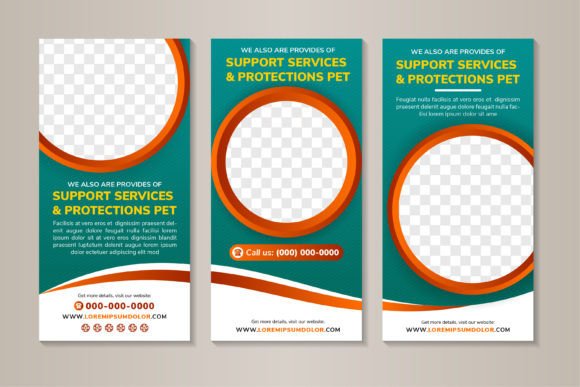
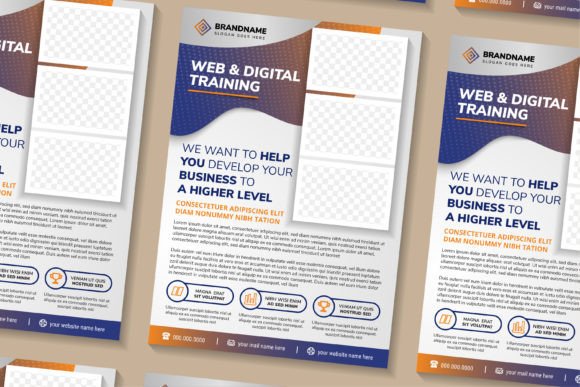
When I first pulled up the Web and Digital Vertical Flyer on my screen, my immediate reaction wasn't about how it would look printed on a glossy brochure, but how those sharp lines and bold color blocks would translate into thread. As an embroidery designer who spends half their life converting graphics into stitch files, I approach every new asset with a critical eye. This isn't just a Print Template or a static graphic; for us, it is a potential blueprint for a high-value handmade product. The design features a striking vertical layout with a headline focused on web and digital training, utilizing a dynamic interplay of blue and orange elements against a grey-silver background. While the original description highlights its use as an advertising banner with space for photo collages, my mind immediately went to how this structure could anchor a custom embroidered patch or a statement sweatshirt design.
First Impressions: Mood and Structural Integrity
The visual personality of the Web and Digital Vertical Flyer is undeniably modern and professional. The combination of blue and orange creates a complementary contrast that pops, which is excellent for grabbing attention in a crowded craft fair booth or an Etsy listing. However, from a stitching perspective, the "grey silver background" mentioned in the assets presents an interesting challenge. In print, this is a flat color field. In embroidery, a large area of grey silver fill stitch can easily look muddy if the thread choice isn't precise or if the fabric texture interferes. The mood here is tech-forward and educational, making it a perfect candidate for corporate gifts, workshop merchandise, or branding for a small shop product specializing in digital services.
The vertical orientation is particularly useful. Unlike wide horizontal logos that get distorted on narrow items, this layout fits naturally on the spine of a tote bag, the front panel of an apron, or the center chest of a hoodie. The inclusion of a space for a photo collage in the original graphic suggests a modular design. For an embroidery project, we interpret this "space" as an area where we might leave negative space, apply an applique design, or perhaps stitch a client's actual logo over the template's framework. It feels less like a rigid image and more like a flexible container for customization.
Real-World Application: From Screen to Stitch
Let's walk through a realistic scenario. Imagine a client runs a coding bootcamp and needs branded apparel for their upcoming graduation ceremony. They want something that looks professional but also handmade and special. The Web and Digital Vertical Flyer serves as an ideal base for a custom apparel line. I would envision taking the blue and orange elements and rendering them in high-gloss rayon thread to mimic the vibrancy of the digital original. The headline text, "web and digital training," would need careful handling. If the original graphic uses a thin sans-serif font, translating that directly into a satin stitch could result in breakage or fraying after the first wash. A skilled digitizer would likely thicken these strokes or switch to a tight fill stitch to ensure durability.
Another strong use case is the embroidered patch. The vertical layout fits perfectly within a standard 2x4 or 3x5 inch hoop size, creating a badge-like aesthetic that students or employees could iron onto their own jackets or backpacks. The grey silver background could be achieved using a metallic thread or by selecting a grey twill base fabric, allowing the blue and orange details to stand out without excessive stitching density. This approach reduces bulk, making the finished product more comfortable to wear.
For the holiday season, this design could be adapted for personalized gifts. Think of a kitchen towel or a tea towel where the "advertising banner" aspect is repurposed as a festive announcement or a family name display, keeping the structural integrity of the vertical columns. The clean lines appeal to a modern aesthetic, moving away from traditional floral or rustic holiday embroidery toward something sleek and contemporary.
Technical Considerations and Fabric Challenges
While the design is visually strong, there are areas where caution is required. The transition between the blue, orange, and grey silver elements implies distinct color stops. In embroidery, frequent color changes increase production time and the risk of thread nests on the underside of the fabric. If you are producing these for a commercial embroidery run, you need to calculate if the labor cost justifies the visual impact. Furthermore, the "photo collage" space in the original graphic warns us against trying to stitch actual photographs. Halftone stitching is possible but rarely looks good on textured fabrics like terry cloth towels or fleece sweatshirts. It is better to treat that space as a solid block of color or a simple monogram.
Fabric selection is critical. On stretchy fabrics like jersey knits used for baby embroidery or t-shirts, the density of the grey background could cause puckering. Using a cut-away stabilizer is non-negotiable here to maintain the shape of the vertical flyer design after washing. Conversely, on thick materials like canvas tote bags or denim aprons, the design will sit beautifully, but you must ensure your needle can penetrate the layers without breaking, especially where the blue and orange elements overlap.
Small details matter. If the original Graphics file includes tiny decorative icons or thin dividing lines, these might disappear entirely when stitched at a smaller scale. Always test the design on scrap fabric first. Check the stitch density; if it feels like a solid sheet of plastic once stitched, it will be uncomfortable and prone to cracking. A good rule of thumb is to reduce fill density by 10-15% for softer hand feel, provided the coverage remains opaque.
Enhancing Brand Value and Customer Trust
Using a well-structured template like the Web and Digital Vertical Flyer elevates the perceived value of your handmade product. Customers associate clean, aligned, and professional-looking designs with higher quality. When an Etsy seller offers a custom item that utilizes such a cohesive layout, it signals that thought went into the presentation, not just the stitching. This builds brand consistency. If you are selling design assets or printable mockups alongside your physical goods, having a unified visual language helps buyers recognize your shop instantly.
The clarity of the stitching directly impacts customer trust. If the text is legible and the color contrasts are sharp, the buyer feels confident in the durability of the item. Ambiguous shapes or muddled colors can make a product look like a failed experiment. By carefully selecting thread colors that match the blue and orange intent of the original flyer—perhaps avoiding neon shades unless specifically requested—you maintain the professional integrity of the source material.
Final Designer Notes for Execution
Before committing to a full production run, keep these practical steps in mind:
- Test on Scrap: Always stitch a sample on the exact fabric type you intend to use. What looks good on cotton muslin may pucker on polyester blends.
- Check Contrast: View your thread choices under different lighting. Ensure the blue and orange pop against the grey or the garment color.
- Review Density: Inspect the back of the sample. Excessive thread buildup indicates a need to adjust the digitizing settings.
- Confirm Hoop Size: Verify that the vertical length fits within your machine's maximum hoop size without requiring re-hooping, which can lead to misalignment.
- Licensing Check: Since this originates as a Print Template, confirm the license terms. Ensure you have the right to modify and sell the design as a digital embroidery file or on physical finished products.
- Mockup Testing: Create black and white mockups to see if the design holds its form without relying on color contrast alone.
In conclusion, the Web and Digital Vertical Flyer offers a robust foundation for creative entrepreneurs willing to adapt print concepts for textile arts. With thoughtful digitizing and material selection, it transforms from a simple advertising banner into a versatile asset for custom apparel, boutique branding, and meaningful personalized gifts. It is a reminder that with the right technical approach, any graphic can find a second life in thread.