Review: Goal Infographic Template V1 for Embroidery
As a designer who spends most of my day staring at digitized files and thinking about how they will translate into thread, I approach every new machine embroidery design with a mix of excitement and skepticism. When I first opened the Goal Infographic Template V1, my immediate reaction wasn't just about the visual layout on the screen; it was about the tactile reality of stitching it out. This isn't just a digital graphic; it is a blueprint for a physical object that someone will wear, hold, or hang on their wall. For Etsy sellers, boutique owners, and hobbyists looking to elevate their handmade product lineup, understanding the nuance of this file is crucial before committing thread and fabric.
The Visual Personality and First Impressions
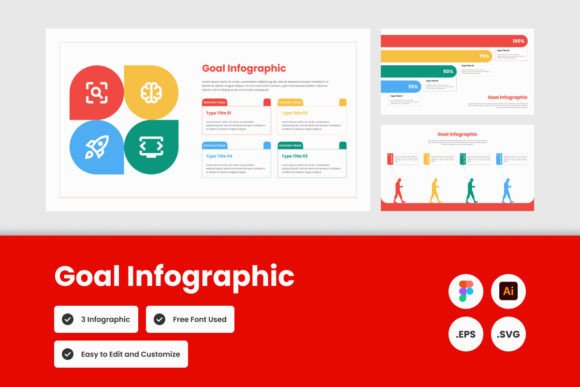
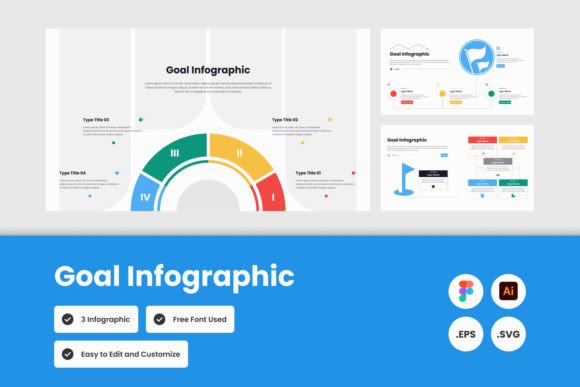
The Goal Infographic Template V1 carries a distinct mood of organization and ambition. Visually, it relies on structured lines, clear segments, and a layout that suggests progress. In the world of Graphics and Infographics, clarity is king, but in embroidery, clarity is often the first thing to get lost in translation. My first impression was that the design has a strong geometric backbone. It feels modern and professional, making it an excellent candidate for commercial embroidery projects where brand consistency matters. However, the transition from a vector-style infographic to a digital embroidery file requires a careful eye. The sharp angles and potential for small text elements mean that this design demands precision. It creates a vibe of "getting things done," which makes it perfect for motivational gear or organizational tools.
Real-World Application: The Custom Tote Bag Scenario
To truly evaluate this design, I imagined a specific real-life scenario: creating a custom tote bag design for a local co-working space or a productivity workshop. Imagine a heavy canvas tote, perhaps in a neutral oatmeal or charcoal color. The Goal Infographic Template V1 would sit prominently on the front panel. In this context, the structured nature of the template works beautifully. It turns a simple bag into a functional piece of art. A customer carrying this isn't just holding groceries; they are carrying a statement about their goals.
However, the execution matters immensely. If I were stitching this for a client, I would need to consider the fabric texture. Canvas has a weave that can interfere with fine details. The infographic style often implies thin lines or small data points. If the original file relies heavily on running stitch for these details, they might get swallowed by the canvas texture. Conversely, if the design utilizes fill stitch effectively, it could provide the necessary coverage to pop against the rougher material. For a finished product like this, the design needs to be large enough to maintain its integrity but not so large that it overwhelms the bag's structure.
Versatility Across Different Products
Beyond tote bags, the versatility of Goal Infographic Template V1 extends to various custom apparel items. Picture a sweatshirt embroidery project for a New Year's resolution challenge. The soft fleece of a sweatshirt provides a forgiving background, but the stretch of the fabric is a concern. An infographic design with rigid straight lines can look distorted if the fabric stretches unevenly during wear. Similarly, for baby embroidery, such as a milestone tracker on a onesie, the scale becomes critical. The details in an infographic can easily become too small for a tiny garment, risking a cluttered look that loses its meaning after a few washes.
For those running a craft business, this design could also shine as an embroidered patch. Patches allow you to stabilize the design perfectly before applying it to the final product, mitigating many fabric issues. A patch featuring this goal-tracking layout could be a high-value add-on for planners, journals, or backpacks. It transforms the design assets into a collectible item. Whether it is for holiday embroidery gifts or corporate branding, the key is matching the complexity of the infographic to the durability requirements of the item.
Technical Considerations and Stitching Challenges
While the aesthetic appeal is strong, there are technical hurdles to navigate with Goal Infographic Template V1. The primary concern with any infographic-style design is the stitch density. Infographics often try to pack a lot of information into a small space. In embroidery, high density can lead to puckering, especially on lighter fabrics like t-shirts or linen tea towels. If the design includes tiny lettering or intricate corner details, these are the first areas to fail if the digitizing isn't optimized for thread.
I would strongly advise testing this design on scrap fabric that matches your intended project material. Check the contrast of your thread colors. Infographics rely on color coding to differentiate sections. If you choose threads that are too similar in tone, the visual hierarchy collapses, and the "infographic" effect is lost. Furthermore, consider the hoop size. If the design is large, you may need to hoop it in sections or ensure your machine's field is sufficient. Curved surfaces, like caps, present another challenge. The rigid lines of an infographic can look warped on a curved brim unless the design is specifically scaled and positioned for headwear.
Enhancing Value and Professionalism
When executed correctly, the Goal Infographic Template V1 significantly boosts the perceived value of a small shop product. It signals to the buyer that thought and strategy went into the creation, not just a random motif. For personalized gift markets, this adds a layer of depth. Instead of just a name, the recipient gets a tool for visualization. This increases customer trust and engagement. A well-stitched infographic on a pillow cover or wall hanging becomes a conversation starter, enhancing the handmade presentation of your brand.
However, professionalism also means knowing when not to use a design. If the Goal Infographic Template V1 requires more detail than your machine or fabric can handle, it is better to simplify or choose a different project. Poor stitching on a complex design looks worse than simple stitching on a basic one. Always review the embroidery file details. Since specific stitch counts and format compatibilities vary, verify these specs before purchasing or starting a production run. Ensure you have the right stabilizer to support the weight of the stitches, particularly if you are using satin stitch borders which can pull on the fabric.
Final Verdict for Designers and Makers
In conclusion, Goal Infographic Template V1 is a compelling asset for designers who understand the limitations and possibilities of thread. It bridges the gap between digital planning and physical creation. For the creative entrepreneur, it offers a unique angle in a market saturated with floral and monogram designs. It appeals to a demographic interested in self-improvement, business, and organization.
Before diving into a full production run, treat this design with the respect it deserves. Test it in black and white mockups to check contrast. Compare it on both light and dark backgrounds. Confirm the licensing terms to ensure it fits your commercial embroidery needs. If you can master the balance between the infographic's detail and the reality of embroidery, this template can become a staple in your portfolio, delivering high-quality printable mockup results and, more importantly, stunning tangible products that resonate with customers.